Choosing the right watch is not only about appearance. It depends on several factors related to your lifestyle and daily use. A watch is more than just a tool for telling time — it is a piece that reflects your taste, complements your style, and in some cases, can even become a long-term investment.
In this guide from Ravelor, we explain the most important factors that can help you choose the right watch with confidence.
First: Define the Purpose of the Watch
Before making a purchase decision, it is important to determine the main purpose of the watch.
A watch designed for daily use is different from one intended for formal occasions, and choosing a watch for investment purposes requires entirely different criteria.
If you are looking for a watch for everyday wear, it is best to choose a comfortable and practical design that can handle continuous use.
For formal occasions, classic and elegant designs are usually the preferred choice.
If your goal is investment, it is important to focus on models that are known for maintaining their value in the market.
Second: Choose the Right Size for Your Wrist
Size is one of the most important factors affecting both the appearance and comfort of a watch.
Choosing the wrong size can make even a luxury watch look unbalanced.
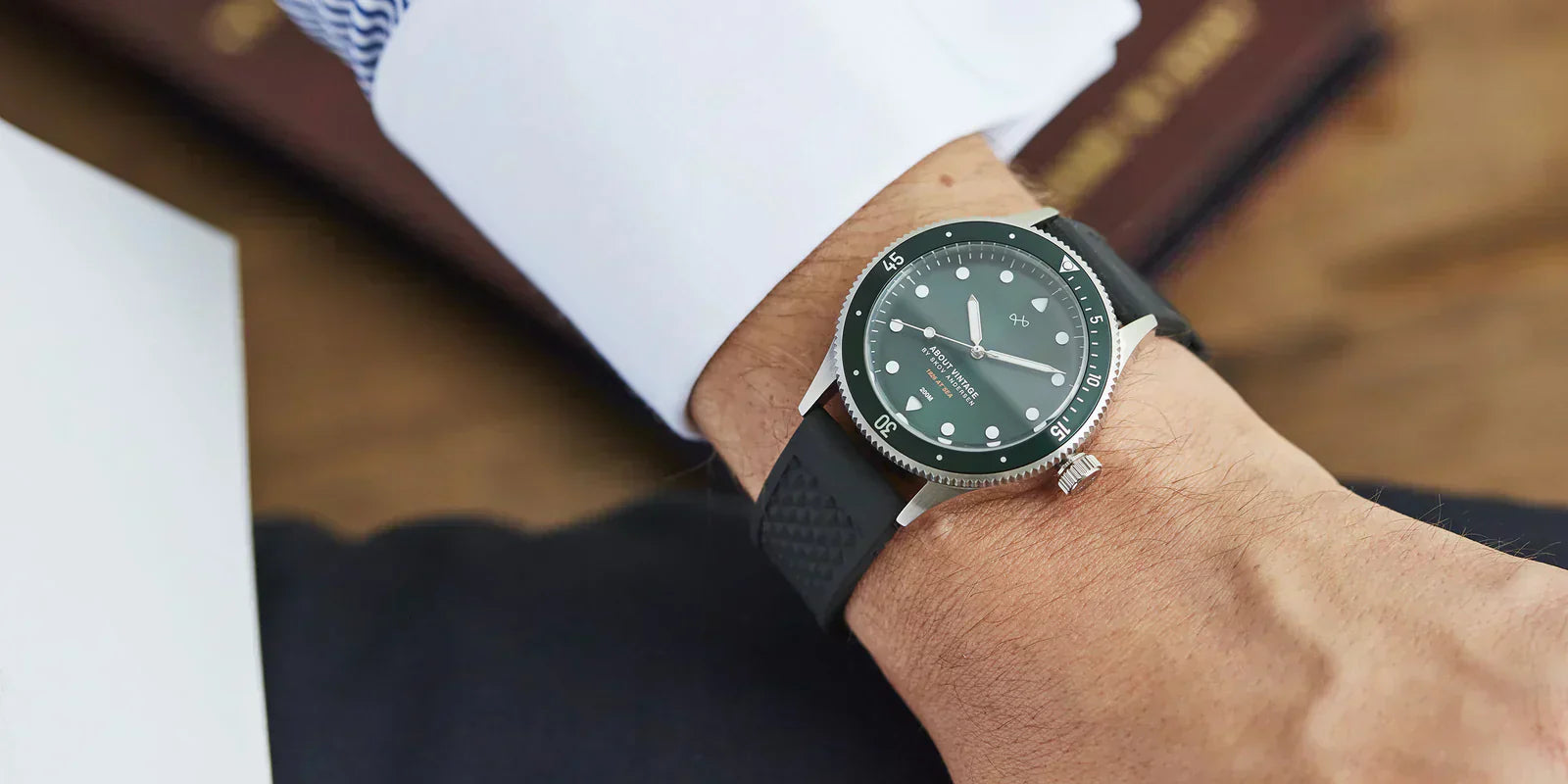
The ideal size depends on your wrist size, but you should also consider the thickness and overall design of the watch, as these factors affect how the watch looks when worn.
The more balanced the watch is with your wrist size, the more elegant and comfortable it will feel.
Third: Understand the Movement Type
The movement is what determines how the watch operates and how you experience it.
Battery-powered watches are known for their accuracy and ease of use, making them a practical choice for everyday wear.
Automatic watches rely on wrist movement and are generally considered more luxurious and technically sophisticated.
Mechanical watches, on the other hand, offer a classic experience and require manual winding.
Choosing the right movement depends on your lifestyle and your level of interest in watchmaking details.
Fourth: Choose a Design That Fits Your Style
The design of the watch should reflect your personality and match your style of dress.
Classic watches are usually ideal for formal outfits, while sporty or practical watches are better suited for daily wear.
The materials used, such as stainless steel or leather, also play an important role in the overall feel and appearance of the watch on the wrist.
Choosing the right design helps the watch become a natural part of your everyday look.
Fifth: Do Not Rely on Price Alone
A higher price does not always mean the watch is the best choice.
True value comes from balancing quality, comfort, design, and suitability for your needs.
It is also important to consider long-term maintenance costs, as some watches require regular servicing to maintain their performance.
Sixth: Think About the Future
A good watch is not only for current use — it can stay with you for many years.
Some watches maintain their value or even increase over time, especially highly demanded models.
The condition of the watch, along with the original box and papers, also directly affects its future resale value.
Seventh: Avoid Random Purchases
One of the most common mistakes is buying a watch based only on appearance or brand name without considering actual usage.
Rushing into a purchase can also lead to choosing a watch that may not suit you in the long term.
It is always better to take your time, compare options carefully, and choose the watch that truly fits your lifestyle.
Ravelor’s Advice
The right watch is not necessarily the most expensive one — it is the watch that suits your lifestyle and feels comfortable on your wrist.
Start with a practical choice, and over time your experience will grow, allowing you to make more refined decisions.
Conclusion
Choosing the right watch depends on understanding your needs, wrist size, movement type, design preferences, and budget.
When these factors are clear, the buying decision becomes easier and more accurate, helping you choose a watch that suits you for the long term.
Need Help Choosing the Right Watch?
Contact the Ravelor team, and we will help you choose the perfect watch for you.