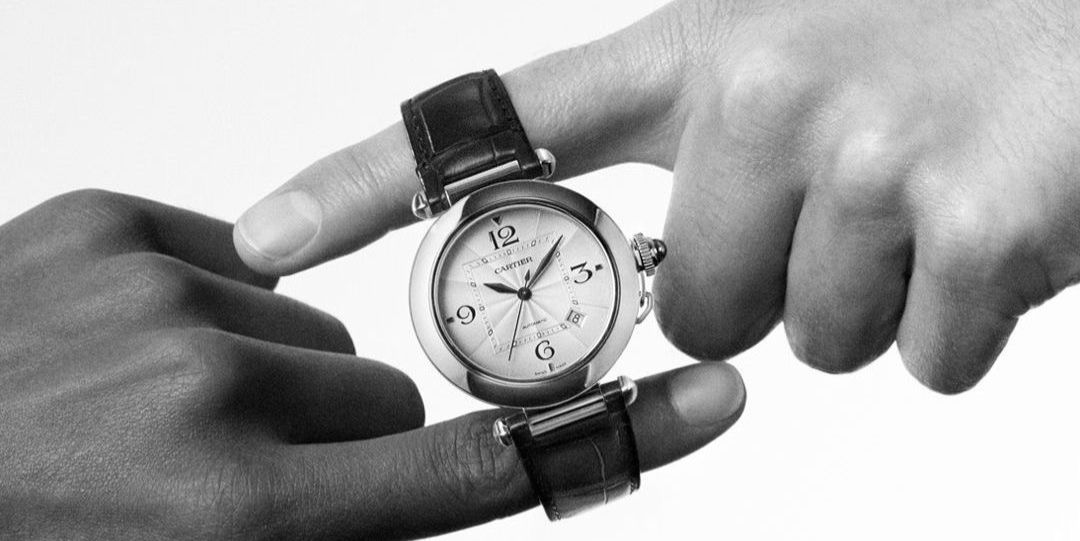
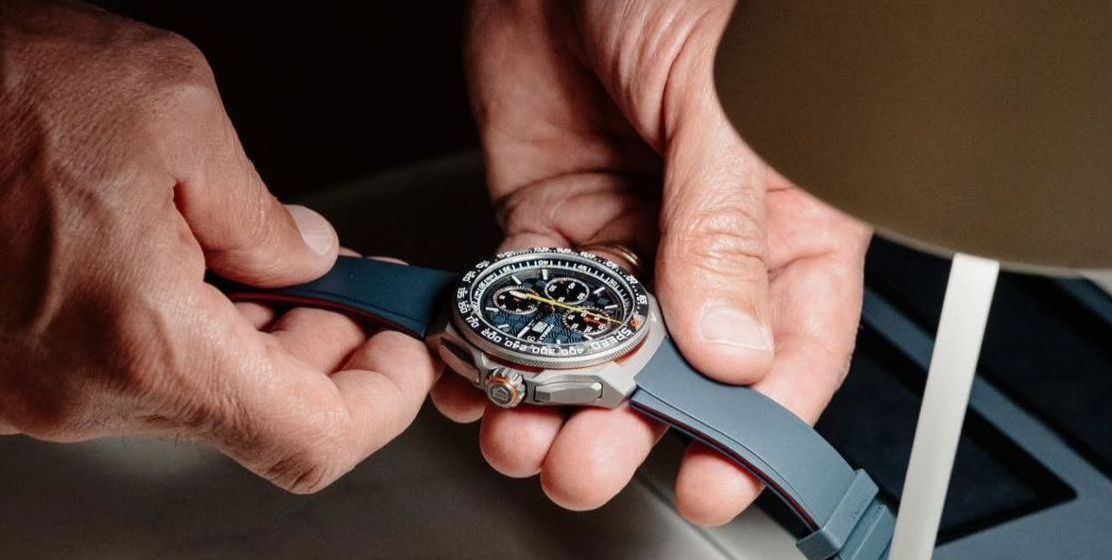
With the growing interest in luxury watches, the question of whether they are a real investment has become increasingly common. While some people see watches as assets that preserve their value, others consider them simply luxury accessories. In reality, the answer depends on the way the watch is purchased and the specific model itself.
In this guide from Ravelor, we explain when a watch can truly be considered an investment, and when it is simply a personal purchase.
First: Are All Watches Considered an Investment?
The short answer is no.
Not all watches retain their value or increase in price over time. In fact, most watches lose value after purchase, especially commercial models or watches with low market demand.
Investment watches are usually limited to specific models and brands that maintain strong demand and a solid reputation in the market.
Second: What Makes a Watch an Investment?
A watch’s market value depends on several interconnected factors.
The brand is one of the most important factors, as certain brands maintain their value exceptionally well due to consistently high demand.
The rarity of the model also plays a major role. Limited-production or discontinued models often have a higher chance of appreciating in value.
In addition, the overall condition of the watch, the availability of the original box and papers, and the service history all directly affect its market price.
Ultimately, investing in watches does not rely on a single factor, but rather on a combination of details that should be understood before making a purchase.
Third: Why Do Some Watches Increase in Value?
In some cases, you may find a pre-owned watch selling for more than its original retail price.
This usually happens when demand for a particular model is very high while supply remains limited.
Certain models also gain popularity over time due to their rarity or association with well-known personalities, which further increases their market value.
Fourth: When Is a Watch Not an Investment?
When a watch is purchased without proper market research, or purely based on appearance or price, the likelihood of retaining its value becomes much lower.
Similarly, watches that are heavily used without proper care, or those missing their original box and papers, often lose significant value when resold.
Investing in watches requires market awareness, not random purchasing decisions.
Fifth: How Should You Treat a Watch as an Investment?
If your goal is investment, it is best to treat the watch as an asset that requires proper care.
Maintaining the condition of the watch, storing it correctly, and keeping up with regular servicing all help preserve its value.
Choosing the right time to buy or sell can also make a significant difference in the final price.
Sixth: The Difference Between Passion and Investment
Many people enter the world of watches out of passion, which is completely natural.
However, it is important to distinguish between buying a watch because you genuinely love it and buying it with the intention of generating future returns.
In many cases, the best choice is a watch that offers both — something you enjoy wearing while also retaining part of its value over time.
Ravelor’s Advice
If you are considering buying a watch as an investment, do not rely solely on luck or speculation.
Understand the market, follow price trends, and choose carefully.
If you are uncertain, it is always better to consult a specialist before making a decision.
Conclusion
Watches can be an investment, but not in every case.
Their value depends on selecting the right model, understanding the market, and maintaining the watch’s condition.
When these factors come together, a watch becomes more than just a luxury item — it can become an asset with long-term value.
Do You Have a Watch and Want to Know Its Market Value?
Contact the Ravelor team, and we will help you evaluate it professionally.